Latest Insights
Industry news, technical guides, and expert advice on pump selection, maintenance, and fluid handling.
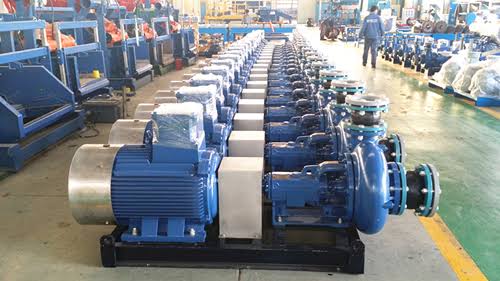
5 Warning Signs Your Industrial Pump Needs Immediate Servicing
Don't wait for a catastrophic failure. Learn how to spot the early warning signs of pump wear—from unusual vibrations to minor leaks—and save thousands in downtime.
Recent Articles
Technology
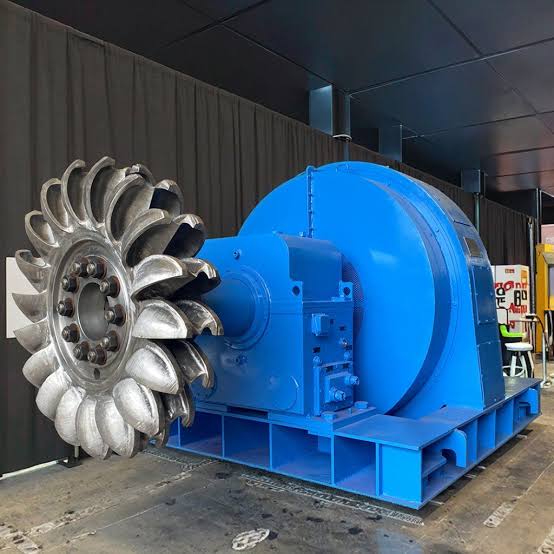
How Smart Modular Pumps Reduce Energy Costs by 40%
Discover how variable-speed technology and IoT monitoring are transforming industrial pumping and dramatically cutting power bills.
Read Article
Industry Guide
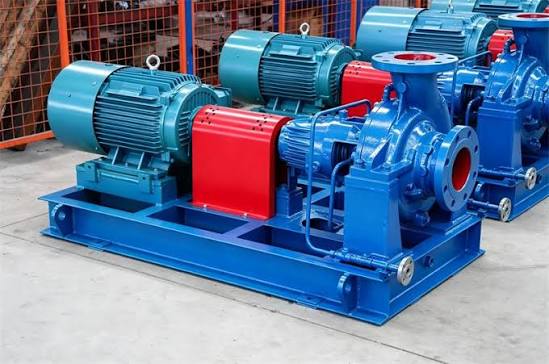
Choosing the Right Pump for Slurry and Mining Applications
A complete guide to selecting wear-resistant, high-capacity pumps for abrasive fluid handling in the mining sector.
Read Article
Case Study
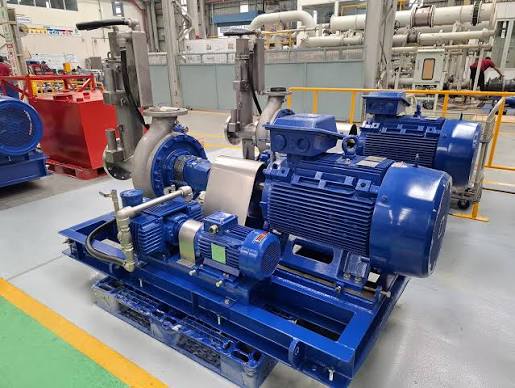
How a 500MW Power Plant Cut Energy Costs by 22%
Read how replacing legacy boiler feed pumps with our high-efficiency centrifugal models saved $140k annually.
Read Article
Maintenance
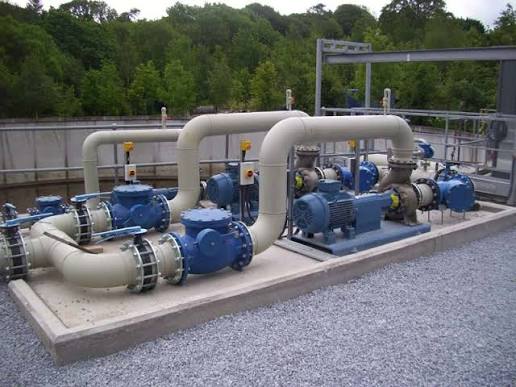
The Ultimate Guide to Mechanical Seal Maintenance
Mechanical seals are the most common point of failure. Learn how to install, maintain, and extend the life of your seals.
Read Article
Chemical
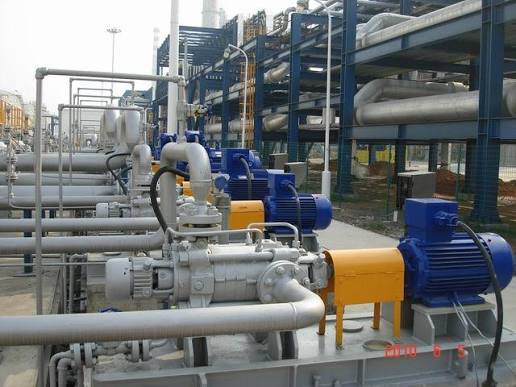
AODD vs. Centrifugal: Which is Best for Chemical Transfer?
We compare Air Operated Double Diaphragm pumps against Centrifugal pumps for handling corrosive and viscous chemicals.
Read Article
Oil & Gas
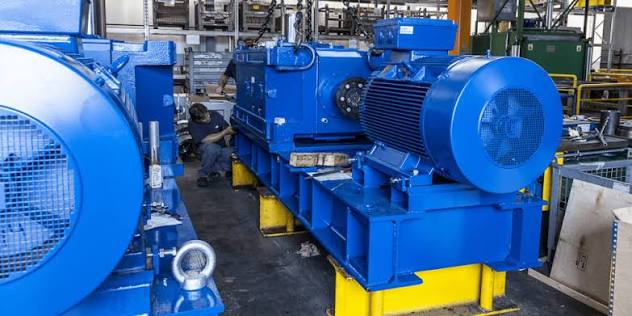
Why High-Pressure Plunger Pumps are Critical in Oil & Gas
Explore the extreme demands of oil and gas operations and why triplex plunger pumps are the industry standard for high-pressure tasks.
Read Article
Maintenance
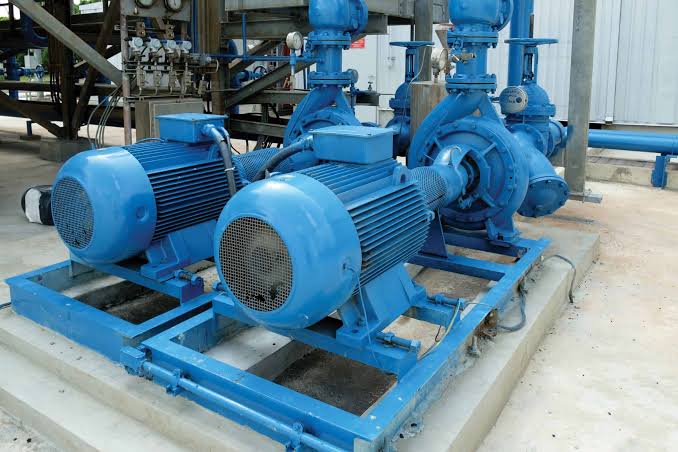
How to Prevent Cavitation in Centrifugal Pumps
Cavitation can destroy a pump in weeks. Learn the causes, symptoms, and how to design your system to prevent it.
Read Article
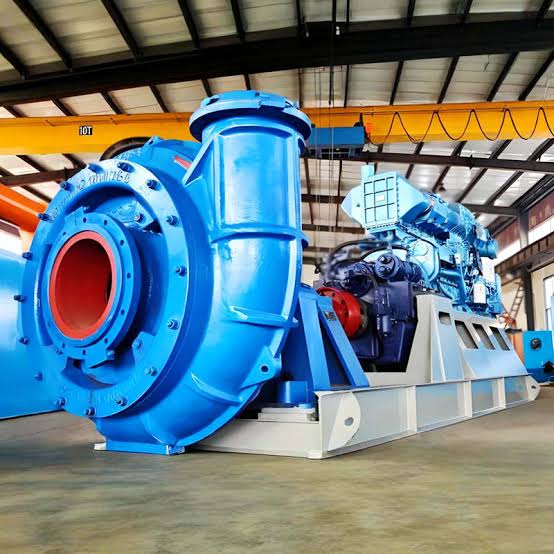
Agriculture
Maximizing Irrigation Efficiency with Variable Speed Pumps
Find out how smart pump technology can reduce water waste and energy costs in large-scale agricultural operations.
Read Article
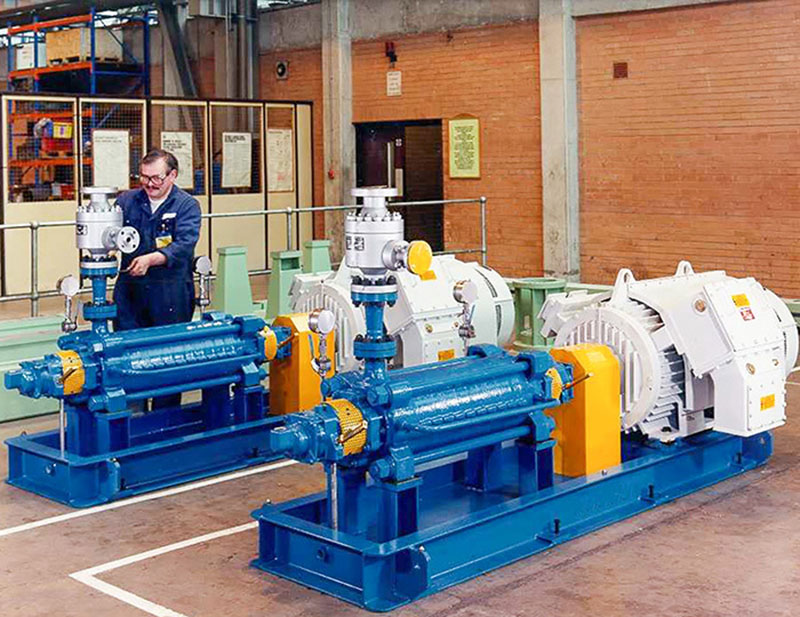
Energy
The Role of Boiler Feed Pumps in Power Generation
An in-depth look at the critical role high-pressure boiler feed pumps play in maintaining power plant efficiency.
Read Article
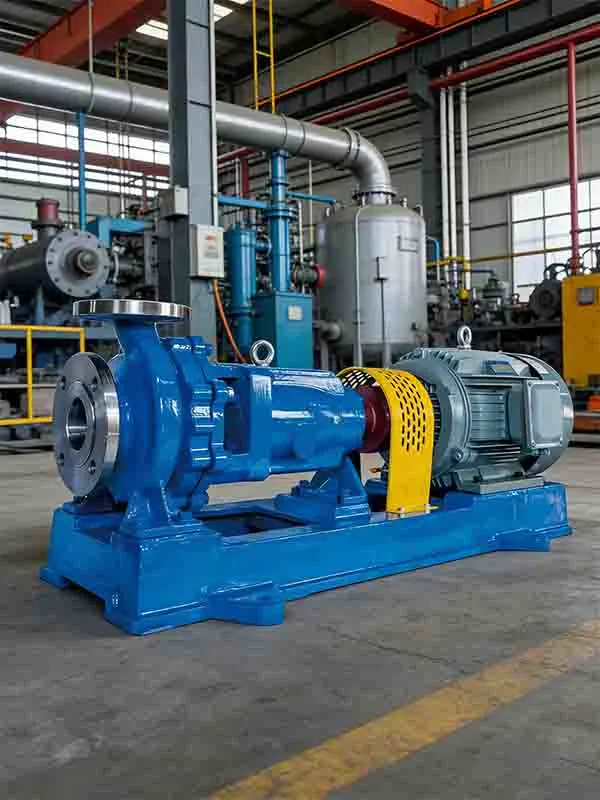
Chemical
Handling Viscous Fluids: Selecting the Right Pump
From syrups to heavy oils, pumping viscous fluids requires specific technology. Learn which pump type is best for your fluid.
Read Article
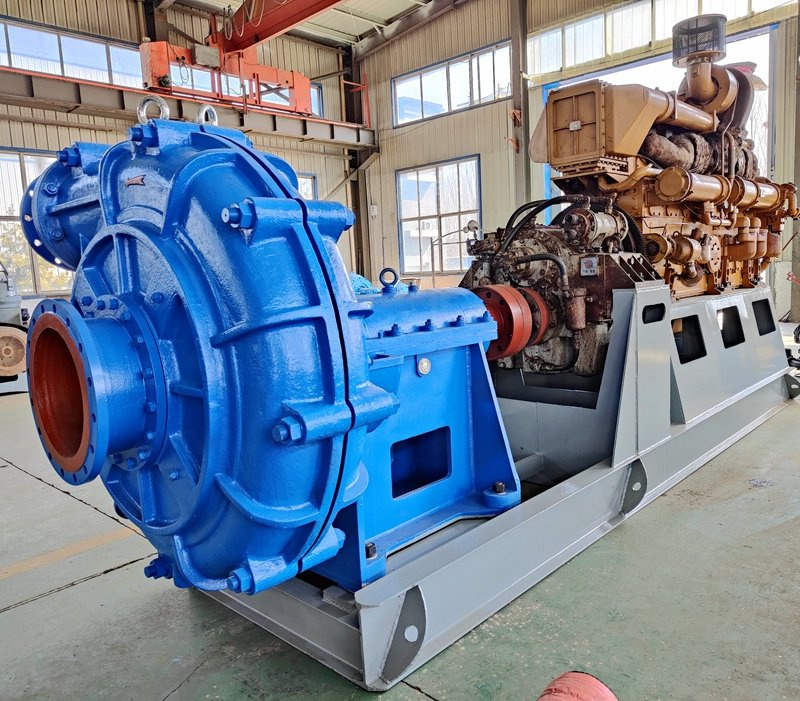
Mining
Understanding Wear Parts in Heavy-Duty Slurry Pumps
A breakdown of impellers, wear rings, and casings—and how high-chrome materials extend the lifespan of mining pumps.
Read ArticleStay Ahead of the Curve
Subscribe to our newsletter for the latest technical insights, product updates, and industry news delivered straight to your inbox.
POWER PUMP SOLUTIONS
TECHNICAL INSIGHT • OCT 125 Warning Signs Your Industrial Pump Needs Immediate Servicing
Industrial pumps are the heart of your fluid handling system. When they fail, the entire operation can grind to a halt. The key to avoiding catastrophic downtime is recognizing the early warning signs.
1. Unusual Noises or Vibration
A smoothly running pump produces a consistent, low hum. If you hear grinding, rattling, or high-pitched whining, it often indicates bearing wear, cavitation, or misalignment.
2. Unexplained Leaks
Small drips from the mechanical seal should not be ignored. A leaking seal can spray water onto the motor, causing electrical shorts, or leak hazardous chemicals.
3. Loss of Pressure or Flow Rate
If your pump is running but the flow rate has dropped, it could be due to a clogged impeller, worn wear rings, or a failing valve.
4. Overheating
If the motor or casing becomes too hot to touch, it could be a sign of inadequate lubrication, a blocked cooling fan, or internal rubbing.
5. Frequent Tripping of the Overload Breaker
If your pump's motor keeps tripping the thermal overload, it is drawing too much current. This could indicate a seized bearing or a mechanical bind.
If you notice any of these signs, shut down the pump immediately and contact our engineering support team.
POWER PUMP SOLUTIONS
TECHNOLOGY • OCT 05How Smart Modular Pumps Reduce Energy Costs by 40%
Traditional fixed-speed pumps are designed to meet the maximum expected demand of a system. However, most systems only require that maximum demand for a few hours a day.
The Variable Speed Solution
Our Smart Modular Pumps feature Brushless DC (BLDC) motors and intelligent electronic controls. Instead of turning on and off, the pump automatically adjusts its speed to maintain a constant pressure.
The Laws of Affinity
Reducing the speed of a centrifugal pump by half reduces the power consumption by an astonishing 87.5%. Even a modest 20% reduction in speed can cut energy usage by nearly 50%.
IoT Monitoring
Beyond just speed control, our smart pumps are equipped with sensors that monitor flow, pressure, and temperature. If the pump detects a clog, it will automatically adjust itself.
POWER PUMP SOLUTIONS
INDUSTRY GUIDE • SEP 28Choosing the Right Pump for Slurry and Mining Applications
Pumping slurry in a mining environment is one of the harshest applications for any pump. The mixture of water, sand, gravel, and chemicals acts like liquid sandpaper.
Material Selection
For high-abrasive slurries, Cast Iron is not enough. You need pumps with high-chrome alloys, polyurethane liners, or hardened stainless steel.
Handling Solids
If your slurry contains large rocks or debris, an Air Operated Double Diaphragm (AODD) pump is the superior choice, as they can pass solids up to 9.5mm without damage.
Velocity Matters
The fluid velocity must be kept above the "settling velocity" to prevent sand from dropping out of suspension and blocking the pipe.
POWER PUMP SOLUTIONS
CASE STUDY • SEP 15How a 500MW Power Plant Cut Energy Costs by 22%
A major 500MW coal-fired power plant in Southeast Asia was struggling with aging infrastructure. Their boiler feed pumps were operating at only 62% efficiency.
The Challenge
The plant was losing thousands of dollars a day in wasted electricity. Furthermore, the pumps frequently experienced cavitation and bearing failures.
The Solution
We replaced their legacy pumps with our PPS980-540 Centrifugal Pumps, featuring dynamically balanced impellers and advanced mechanical seals.
The Result
Since the installation, the plant has achieved a 22% reduction in energy consumption for the boiler feed process, resulting in a projected savings of over $140,000 per year.
POWER PUMP SOLUTIONS
MAINTENANCE • SEP 02The Ultimate Guide to Mechanical Seal Maintenance
Mechanical seals are the most common point of failure in centrifugal pumps. A failed seal leads to leaks, which can be dangerous and costly.
1. Never Run Dry
Mechanical seals rely on a microscopic film of fluid to lubricate and cool the seal faces. Running a pump dry for even a few seconds can cause the faces to overheat and crack.
2. Proper Installation
Ensure the seal is perfectly square to the shaft. Even a fraction of a millimeter of misalignment will cause uneven wear.
3. Check the Flush Plan
If your pump uses an external flush (API Plan), ensure the flush fluid is clean and flowing at the correct pressure.
POWER PUMP SOLUTIONS
CHEMICAL • AUG 20AODD vs. Centrifugal: Which is Best for Chemical Transfer?
When designing a chemical transfer system, choosing between an Air Operated Double Diaphragm (AODD) pump and a Centrifugal pump is a critical decision.
When to Choose AODD
- You are pumping highly viscous fluids (up to 15,000 cP).
- The fluid contains solids or abrasives.
- You need dry-run capability.
- The environment is hazardous (explosion-proof requirement).
When to Choose Centrifugal
- You need high flow rates of low-viscosity fluids.
- You require a continuous, steady flow.
- Energy efficiency is the top priority.
POWER PUMP SOLUTIONS
OIL & GAS • AUG 05Why High-Pressure Plunger Pumps are Critical in Oil & Gas
In the oil and gas industry, you need to move fluids at extreme pressures that would destroy standard pumps.
Triplex Plunger Technology
Plunger pumps are positive displacement pumps. They use a plunger (similar to a piston) to push the fluid. Our PPS-300HP is a triplex pump, meaning it has three plungers.
Where are they used?
- Hydrostatic Testing: Testing wellheads and pipelines.
- Chemical Dosing: Injecting chemicals into high-pressure flowlines.
- Water Jetting: Cleaning pipelines and tanks.
With pressure capabilities up to 500 Bar, these pumps are the undisputed kings of high-pressure fluid handling.
POWER PUMP SOLUTIONS
MAINTENANCE • JUL 22How to Prevent Cavitation in Centrifugal Pumps
Cavitation is the formation of vapor bubbles within the pump. When these bubbles collapse, they create shockwaves that erode the impeller.
Symptoms of Cavitation
- Loud cracking or popping noises from the pump casing.
- Loss of flow rate.
- Severe vibration.
How to Prevent It
Ensure your Net Positive Suction Head Available (NPSHa) is always higher than the Net Positive Suction Head Required (NPSHr) by the pump. This means providing a larger suction pipe, keeping suction lines short, and ensuring the fluid is cool enough.
POWER PUMP SOLUTIONS
AGRICULTURE • JUL 10Maximizing Irrigation Efficiency with Variable Speed Pumps
In agriculture, energy and water are your two biggest operating costs. Variable speed pumps are changing the game for irrigation.
Constant Pressure
Instead of pumping at maximum speed and using a pressure relief valve to control flow, variable speed pumps adjust their speed to match the exact pressure needed by the irrigation sprinklers.
Energy Savings
By reducing the speed, you dramatically cut power consumption. This is especially important for farms running diesel generators.
POWER PUMP SOLUTIONS
ENERGY • JUN 28The Role of Boiler Feed Pumps in Power Generation
Boiler feed pumps are the powerhouse of the power plant. They must overcome massive boiler pressure to push water into the steam drum.
The Demands
These pumps operate at high temperatures and immense pressures, often with minimal NPSH margin. A failure here means a complete plant shutdown.
The PPS Solution
Our PPS980-540 centrifugal pumps are designed with heavy-duty components and precision-balanced impellers, ensuring long-term reliability and high efficiency for boiler feed applications.
POWER PUMP SOLUTIONS
CHEMICAL • JUN 15Handling Viscous Fluids: Selecting the Right Pump
Viscosity is the "thickness" of a fluid. Standard centrifugal pumps struggle with high viscosity because the fluid resists the centrifugal force.
The Best Pump for Viscosity
Positive displacement pumps, specifically our Air Operated Double Diaphragm (AODD) pumps, are the ideal choice for viscous fluids like molasses, heavy oils, and paints.
Our AODD pumps can handle viscosities up to 15,000 cP, ensuring smooth, reliable transfer without damaging the fluid.
POWER PUMP SOLUTIONS
MINING • JUN 02Understanding Wear Parts in Heavy-Duty Slurry Pumps
In mining, pumps are a consumable item. Slurry acts like sandpaper, grinding away the metal components.
Key Wear Parts
- Impeller: The rotating part that moves the fluid. High-chrome cast iron is standard.
- Wear Rings: Sacrificial rings that protect the casing.
- Diaphragms: For AODD pumps, high-durometer elastomers are required.
Using the right material for the specific pH and particle size of your slurry can double the life of these wear parts.